




THE DIFFERENT PMA TECHNIQUES
Depending on the causes of infertility, Assisted Reproductive Technologies may include in particular:
- In Vitro Fertilization (IVF)
- ICSI (Intracytoplasmic Sperm Injection)
- IMSI (Intracytoplasmic Morphologically Selected Sperm Injection)
- Assisted Hatching
- Extended Embryo Culture
- Embryo Vitrification
- Fertility Preservation
- Preimplantation Genetic Diagnosis (PGD)

CLASSICAL IN VITRO FERTILIZATION (IVF)
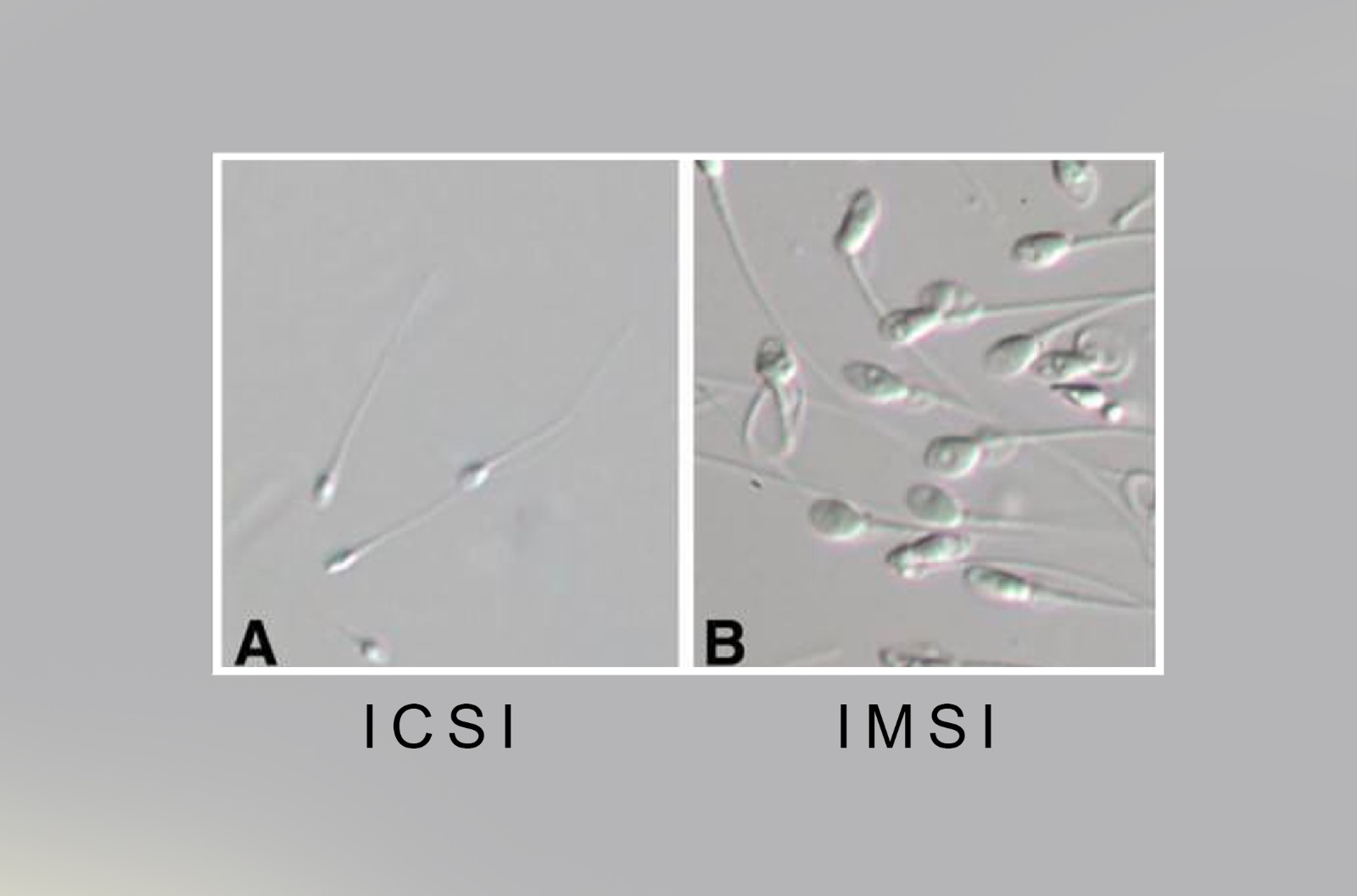
In certain specific indications, a variant of microinjection (ICSI) may be used to optimize sperm selection. This technique involves choosing sperm under very high magnification microscopy (approximately 6,600×, compared to 400× in standard ICSI), allowing the exclusion of spermatozoa with specific morphological abnormalities.
This procedure, which is more time-consuming and technically demanding, is offered only in well-defined clinical situations where enhanced selection may improve outcomes.

IVF with ICSI (Intracytoplasmic Sperm Injection)
In certain specific indications, a variant of microinjection (ICSI) may be used to optimize sperm selection. This technique consists of selecting sperm under very high magnification microscopy (approximately 6,600×, compared to 400× in standard ICSI), making it possible to exclude spermatozoa with specific morphological abnormalities.
This procedure, which is more time-consuming and technically demanding, is offered only in well-defined clinical situations where enhanced sperm selection may improve treatment outcomes.
IMSI
In certain specific clinical situations, a variant of microinjection (ICSI) may be used to optimize sperm selection. This technique involves selecting sperm under very high magnification microscopy (approximately 6,600×, compared to 400× in standard ICSI), making it possible to exclude spermatozoa presenting specific morphological abnormalities.
This procedure, which is more time-consuming and technically demanding, is offered only in clearly defined indications where enhanced sperm selection may improve treatment outcomes.
ASSISTED HATCHING
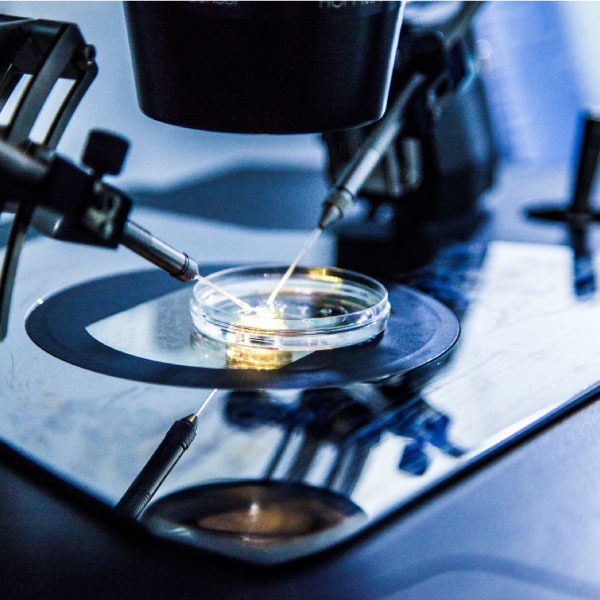
Assisted hatching consists of thinning or weakening the zona pellucida—the protective membrane surrounding the embryo—in order to facilitate its hatching and potentially improve its chances of implantation.
This technique is offered only in specific situations, particularly when the embryonic membrane appears abnormally thick.
EXTENDED EMBRYO CULTURE
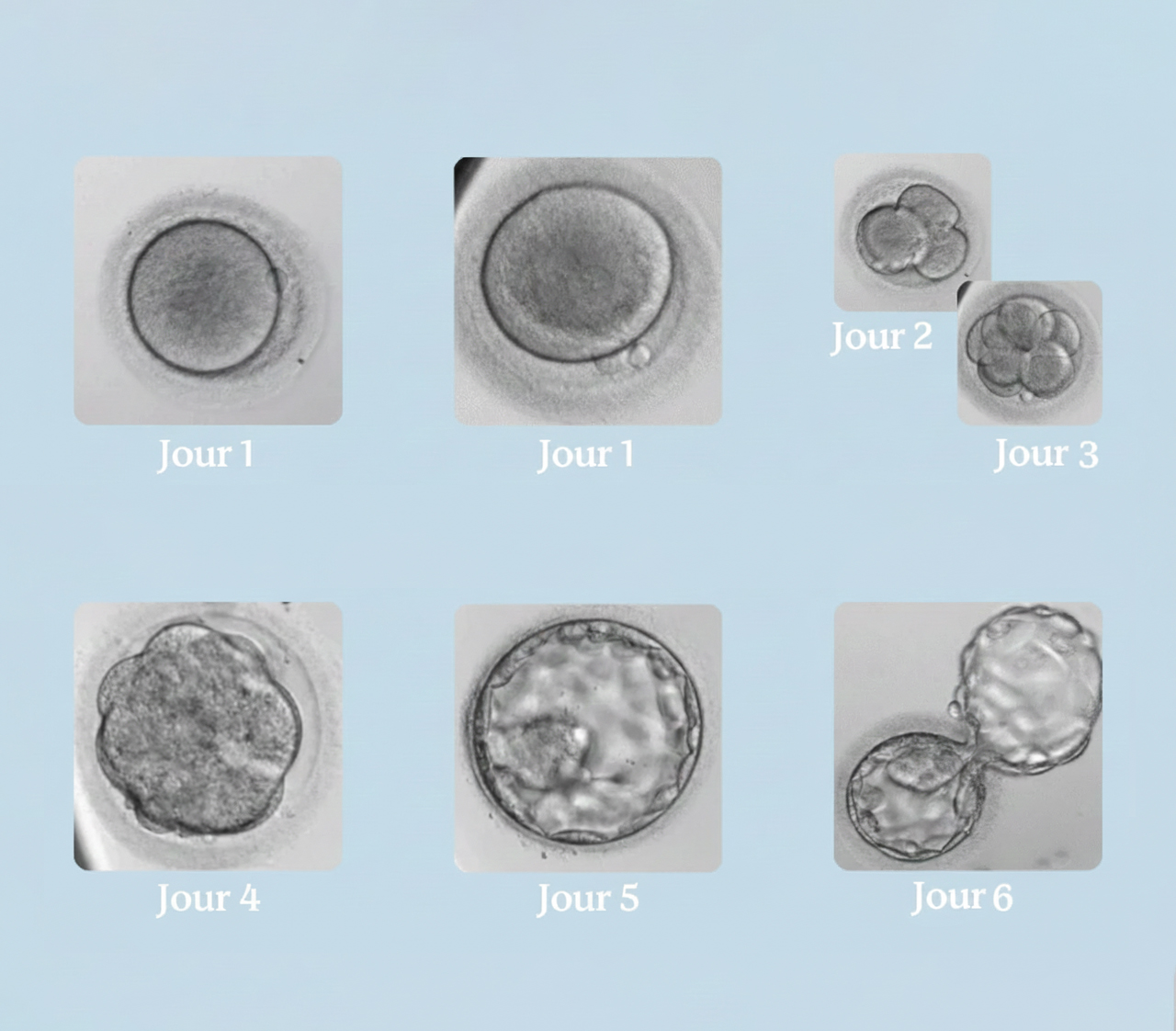
Extended culture consists of maintaining fertilized embryos in the laboratory in specialized media for up to six days, allowing them to develop to the blastocyst stage.
- It facilitates the selection of embryos with the highest implantation potential.
- It promotes better synchronization between embryonic development and the uterus.
- Today, it represents the preferred approach in most fertility centers worldwide.
EMBRYO VITRIFICATION
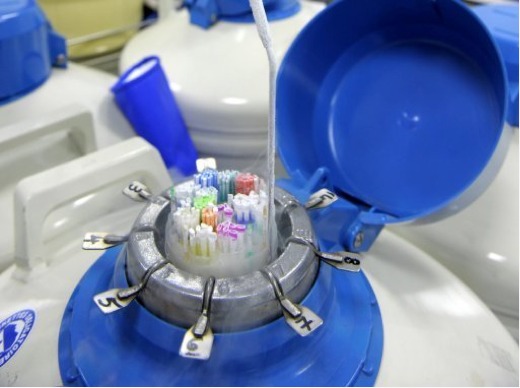
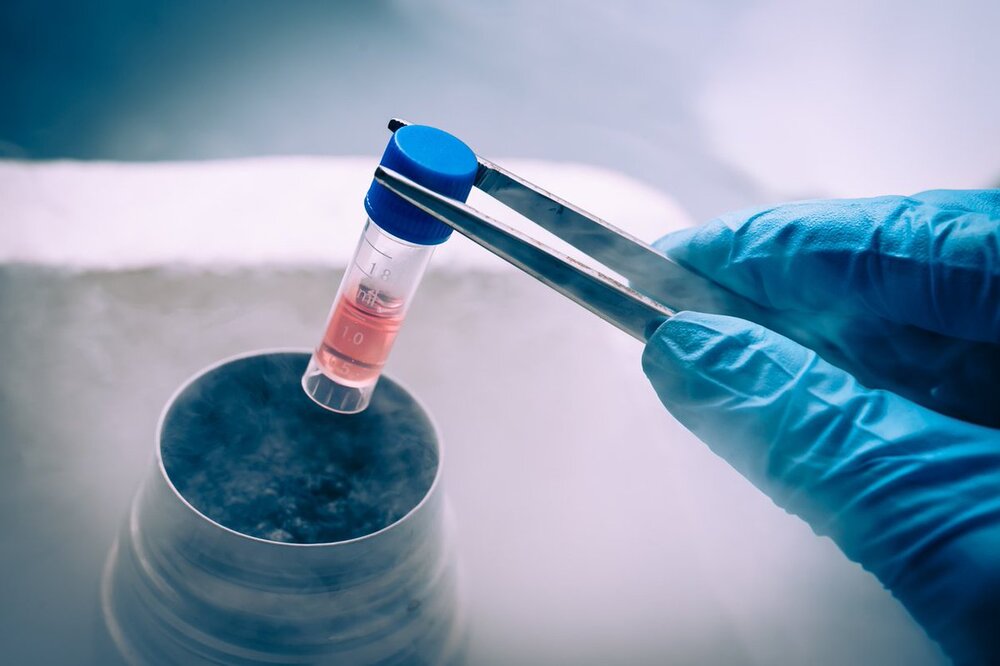
Embryo vitrification is an ultra-rapid freezing technique that preserves embryos under optimal conditions, without the formation of ice crystals.
It ensures excellent embryo survival upon warming.
This method allows embryos that are not transferred to be used at a later stage, according to the couple’s family plan and future reproductive goals.
FERTILITY PRESERVATION
This approach is intended for women who wish to postpone their plans for motherhood, particularly in situations where medical or genetic conditions may affect ovarian reserve.
After approximately ten days of hormonal stimulation, oocytes are retrieved under light sedation through ultrasound-guided aspiration. They are then vitrified in the laboratory using an ultra-rapid freezing technique, which involves immersing the oocytes in liquid nitrogen at –196 °C, ensuring optimal preservation of their cellular structure.
In most cases, normal daily activities can be resumed the day after the procedure.
The oocytes are safely stored within the center and may be used at a later time, whenever the patient decides to pursue pregnancy.
PREIMPLANTATION GENETIC DIAGNOSIS (PGD)
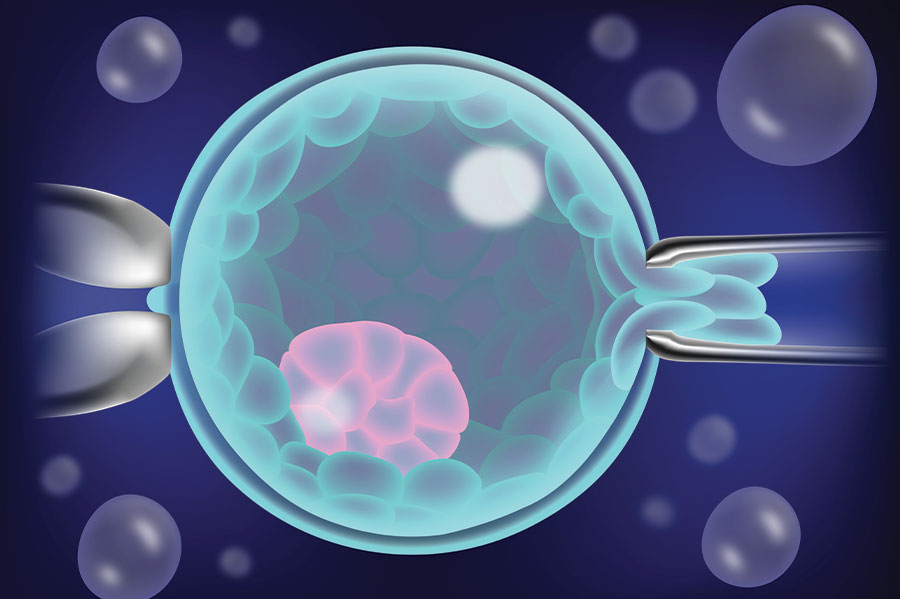
Preimplantation Genetic Diagnosis (PGD) makes it possible to identify potential genetic or chromosomal abnormalities in embryos obtained through in vitro fertilization. The objective is to distinguish embryos affected by a genetic disease from those that are unaffected or healthy carriers.
To achieve this, a small number of cells are biopsied on the fifth day of embryonic development. Their genetic material is then analyzed using PCR-based techniques. Embryos that do not carry the targeted abnormality may subsequently be transferred into the patient’s uterus.
Embryos free of genetic anomalies demonstrate higher implantation rates, thereby improving the chances of a successful pregnancy.

Maroc Fertilité is a specialized fertility center with an experienced team and advanced technologies, providing personalized care and high-quality treatment for couples.